How to Get a Patagonia Collar to Stand Up Again


Brand Timeline
The story of one of the earth's most active and responsible brands when it comes to caring for people and the planet.
Shop Patagonia
1953
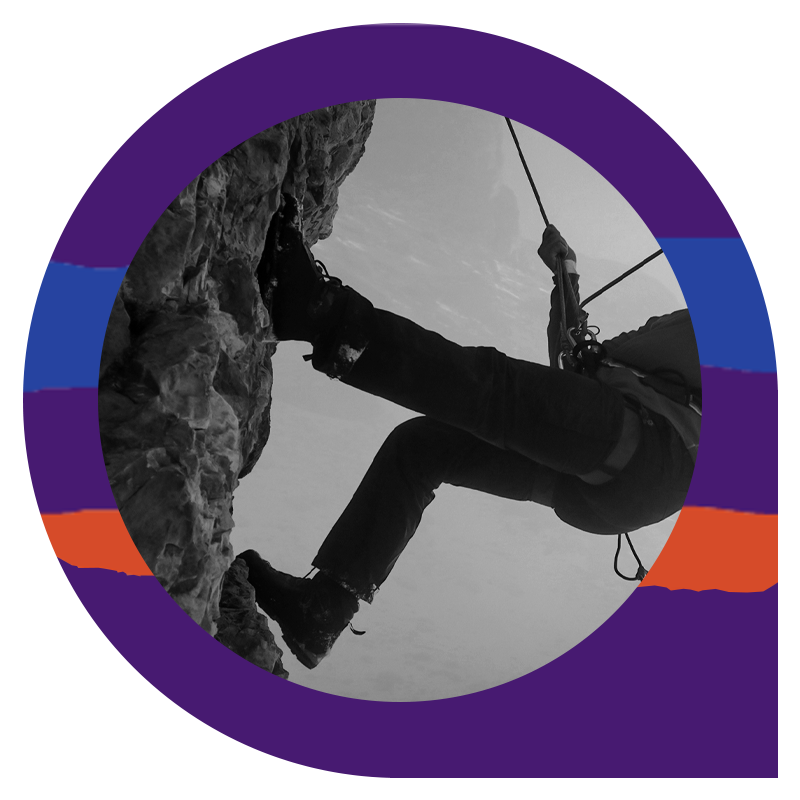
Yvon Chouinard, the future founder of Patagonia, starts his climbing career at the historic period of 14. After learning how to rappel during his stint in the Southern California Falconry Club, Chouinard and his friends are gripped and start hopping trains to the west end of the San Fernando Valley. It is at the sandstone cliffs of Stoney Point he learns to climb upwards as well as rappel down.

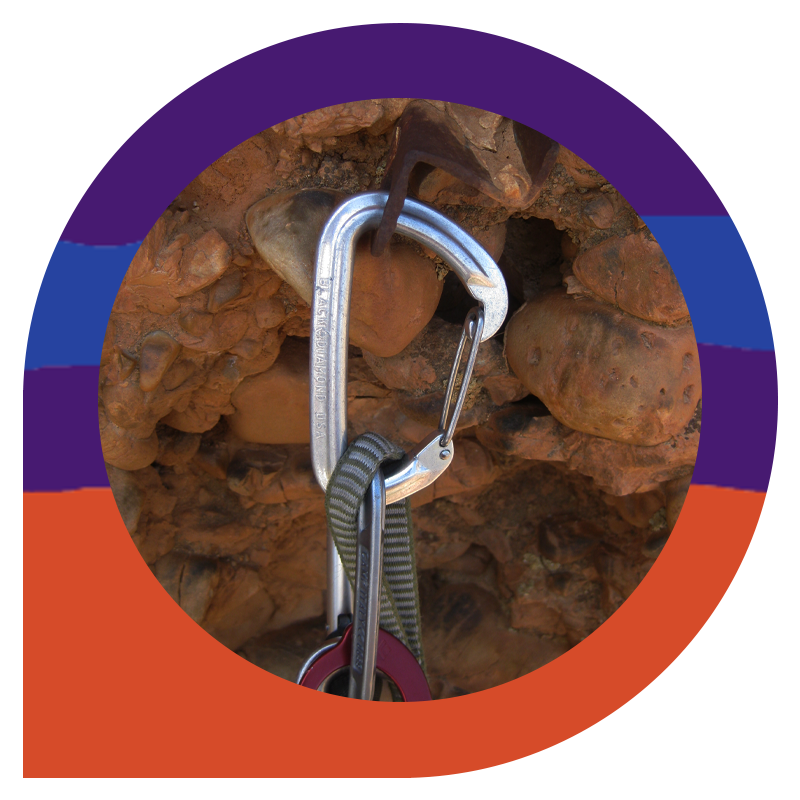
Chouinard goes to a junkyard to purchase a used coal fired forge, a 138-pound anvil, some tongs and hammers. He teaches himself how to blacksmith in lodge to make his own pitons for climbing and sells them to other members of the climbing community. Making his first pitons from an old harvester blade, Chouinard uses them on ascents of the Lost Arrow Chimney and the North Confront of Sentinel Rock in Yosemite.
1964
Chouinard partners with swain climbing enthusiast and aeronautical engineer Tom Frost to develop a high-end climbing piton called the Realized Ultimate Reality Piton (RURP), which enables the pair to complete the hardest assistance climb notwithstanding completed in Northward America.
Yvon and Tom Frost officially go into business together and prepare Chouinard Equipment. They aim to create, redesign and improve climbing tools, offering amend, stronger and lighter versions of everything climbers need. The pair focus on coming together the demands that Yvon previously faced alone, including the development of climbing hexes, or 'Hexcentrics' which take been used in climbing ever since.
1968
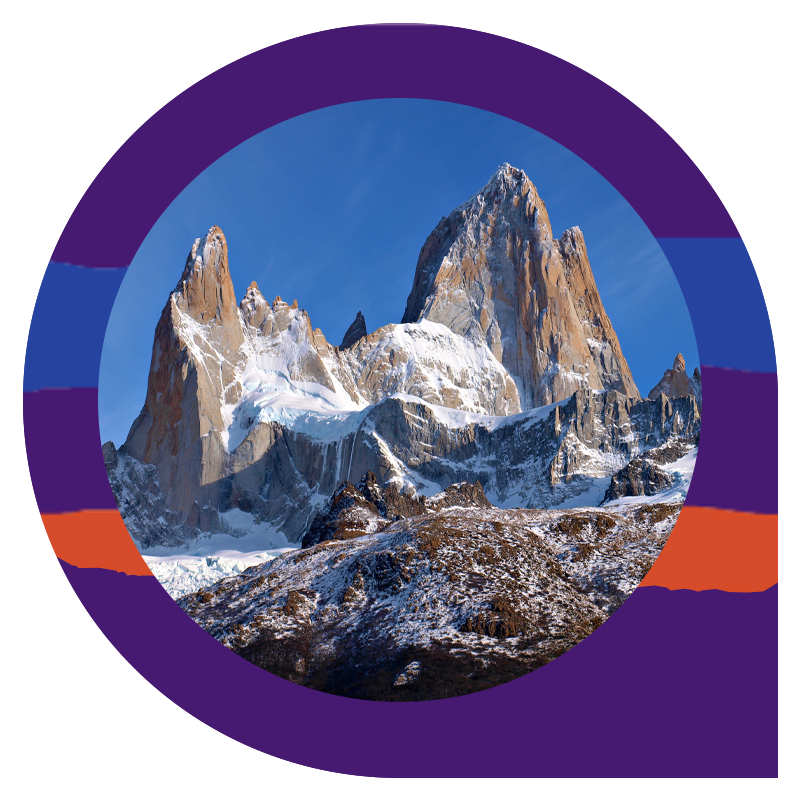
Chouinard completes the rise of Monte Fitz Roy and documents the feel in a film called Fitzroy. Part of the Patagonia region which contains the southern Andes, the mountain is considered one of the earth's toughest climbs.
Chouinard Equipment has grown to exist the largest climbing hardware company in the US. However, the company quickly becomes enlightened of the permanent damage their pitons are doing to the rocks. Chouinard and Frost later on make up one's mind to motion out of the piton industry, which accounts for seventy% of their turnover; a significant business organisation adventure notwithstanding 1 that shows their consideration for the environment offset and foremost.
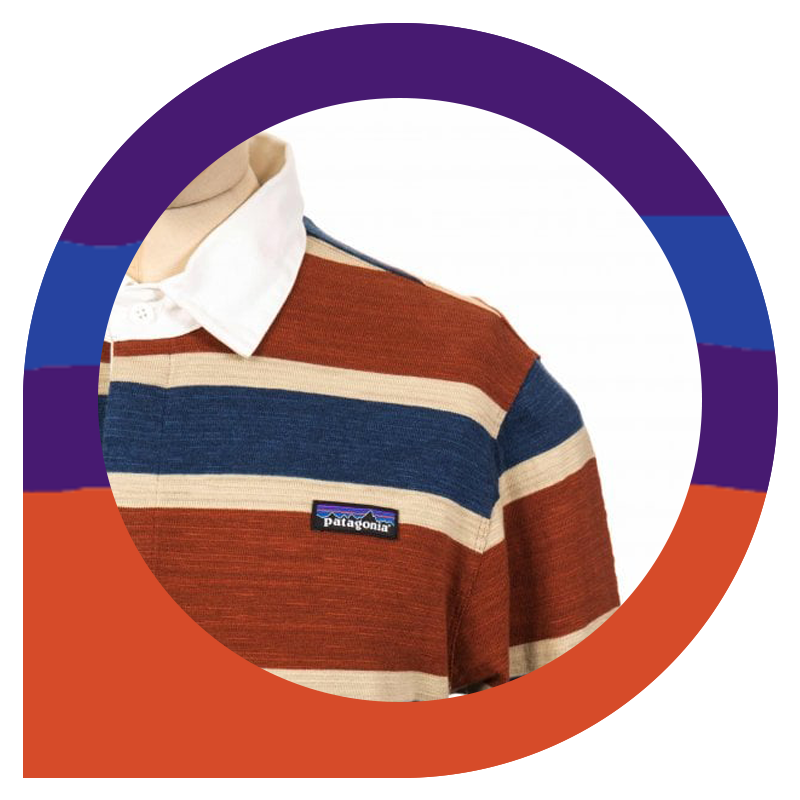
In the same yr Yvon starts wearing Umbro rugby shirts that he picks upward in Scotland while climbing. Their tough structure and big collar that protects the cervix from the rub of climbing slings makes them perfect for the sport.
1972
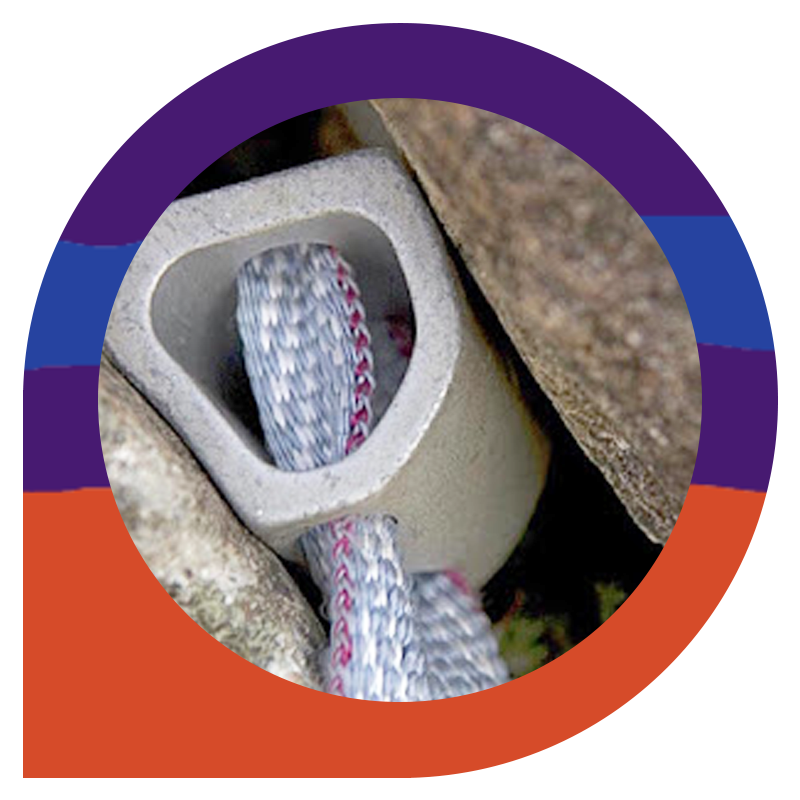
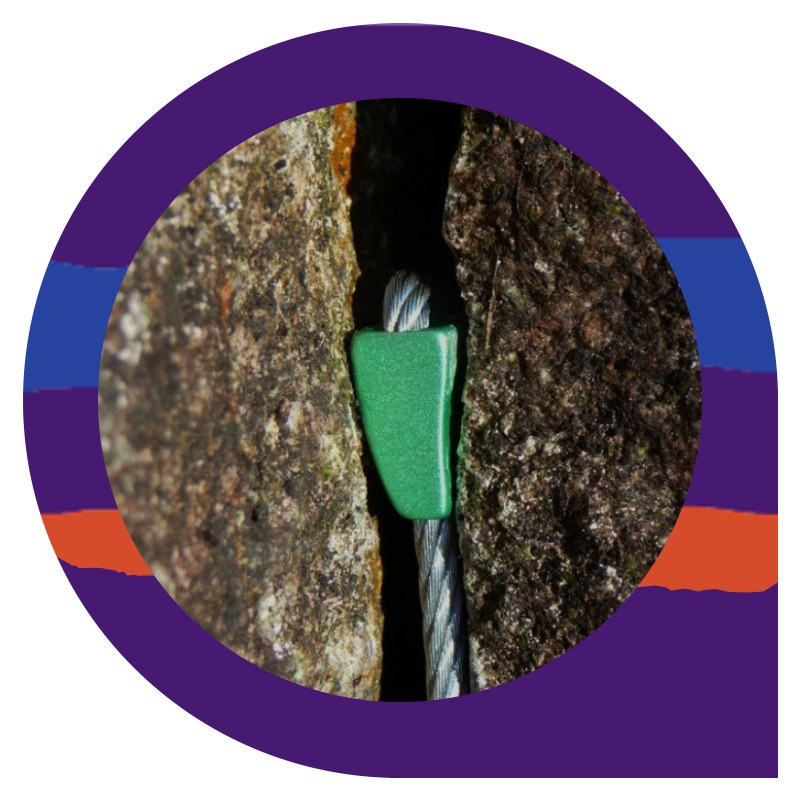
Chouinard Equipment introduces aluminum chocks to the climbing market. These are a big improvement on the stone damaging pitons used by climbers at the time in terms of environmental impact. Rather than being hammered into cracks, these chocks are wedged by hand. The risk pays off and soon demand for the new aluminium chocks exceeds the rate at which Chouinard Equipment tin can produce them. This helps to bring about the 'clean climbing' movement championed by Chouinard in the company's first equipment catalogue, which included a meaning amount of data on climbing ethics alongside showcasing products.
Sales of outdoor clothing and accessories begin when Chouinard starts importing the rugby shirts he found on his Scottish climbing trip two years earlier and selling them to the US outdoor customs. He also introduces other outdoor wearable products to the American market, including polyurethane rain cagoules and bivouac sacks imported from Scotland, boiled-wool gloves and mittens imported from Austria as well every bit hand fabricated knitted hats made in the US.
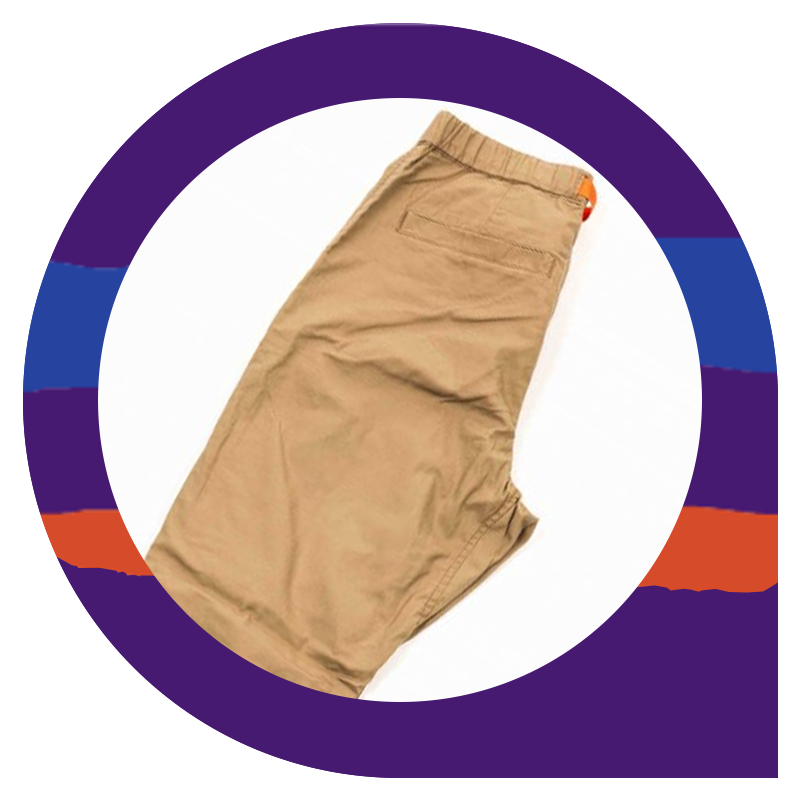
Chouinard besides creates the iconic Stand Up Short with the help of a friend'south wife. Made from tough No. 10 canvas, the shorts are so stiff that they're able to stand up up by themselves, which is where their name comes from. The shorts remain function of Patagonia'south collection to this twenty-four hour period, with few changes other than being Fair Trade Certified and made of softer organic cotton fiber for increased comfort.
The Patagonia brand is officially born as Chouinard Equipment adopts the proper noun Patagonia for its outdoor clothing range and the brand opens its first store near Chouinard'due south blacksmith shop. Housed in a meat-packing constitute at Santa Clara St in Ventura, the store becomes the first of its kind for the company.
The Patagonia proper noun helps to differentiate clothing lines from Chouinard Equipment'southward mountaineering specific products, enabling the brand to be seen as non offering merely products for mount climbers only for everyone involved in outdoor activities. The name is called as Chouinard was inspired by his visits to the Patagonia region, and considers the name to sound similar a wondrous, far flung and almost mythical place.

1974
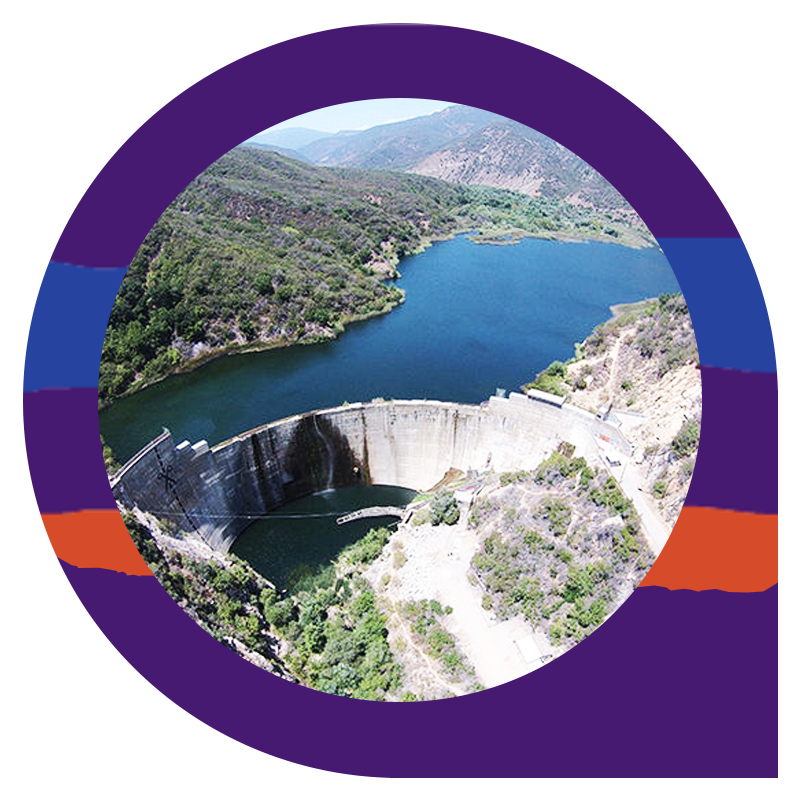
Patagonia employees attend a metropolis quango meeting to protest the potential disruption to a popular surf break as a issue of proposed development of the oral cavity of the Ventura River. Considered a expressionless river, a young graduate named Mark Capelli presents prove of the importance of the river for wildlife, and the development plans are overturned. Patagonia provides Capelli with office space and contributions to assistance him fight to save and clean up the river, leading to the formation of the Friends Of Ventura River activity group, and marker Patagonia's beginning foray into environmental activism.
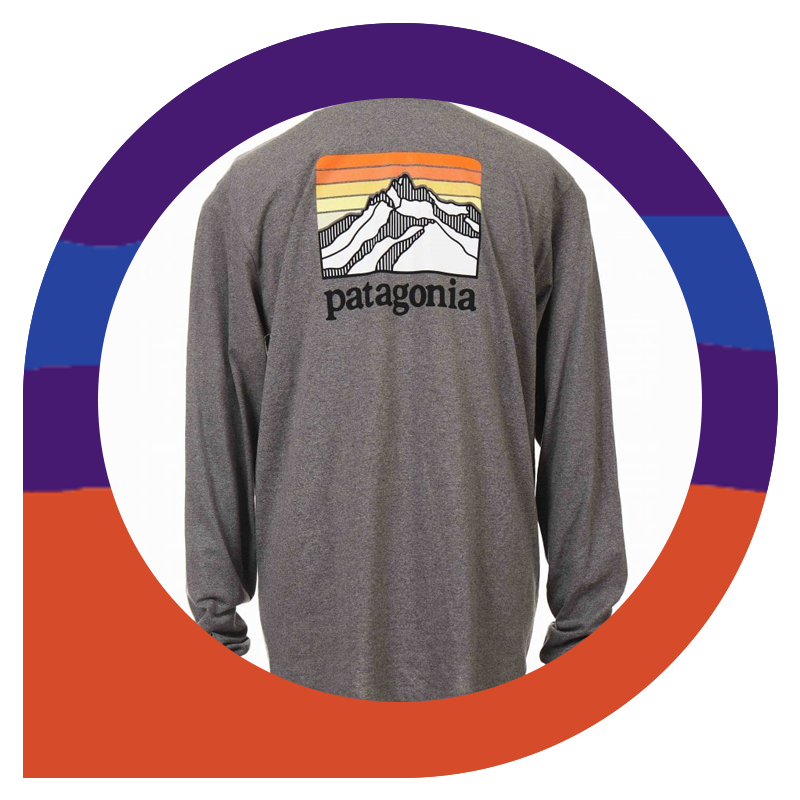
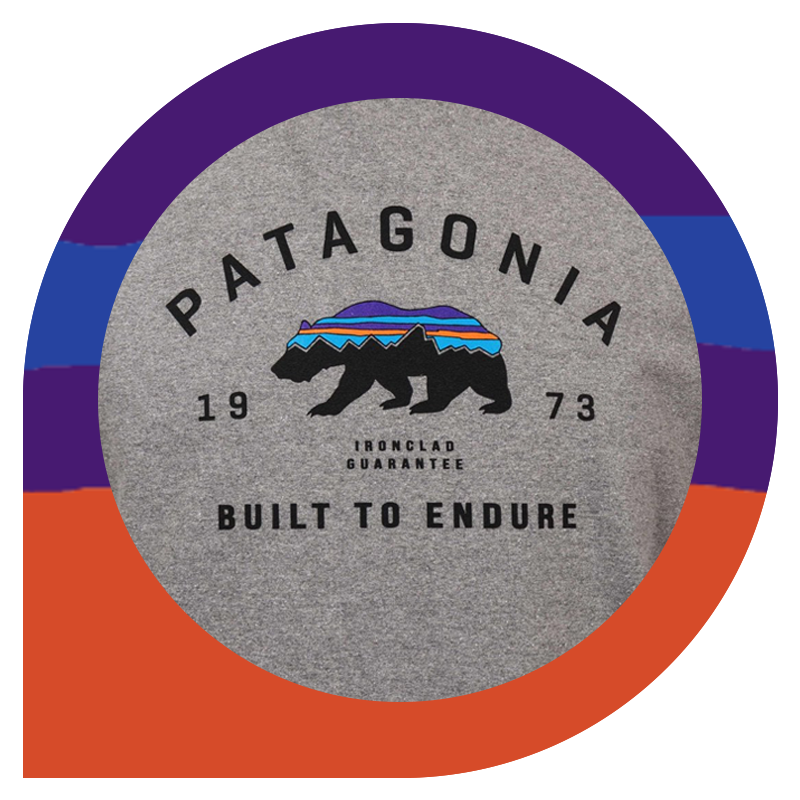
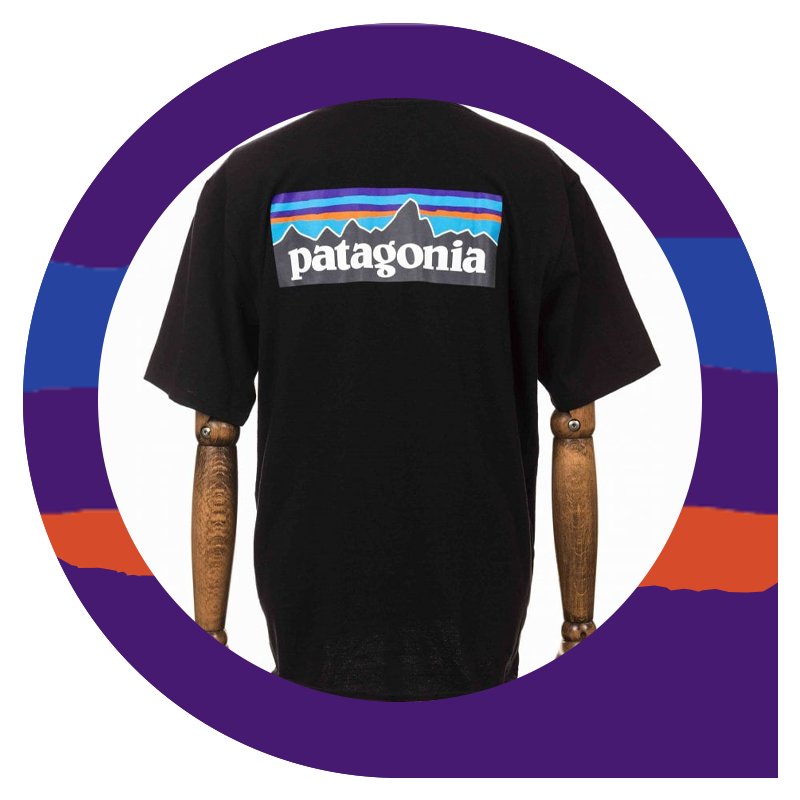
Patagonia introduces its now iconic logo which features a silhouette of Mount Fitz Roy, a mountain in the Patagonia region betwixt Argentine republic and Republic of chile. Designed in collaboration between Yvon Chouinard and Jocelyn Slack, a freelance artist working for Patagonia, the logo is currently used on most Patagonia products including a range of Fitz Roy Patagonia t-shirts, made from 100% organic cotton.
1977
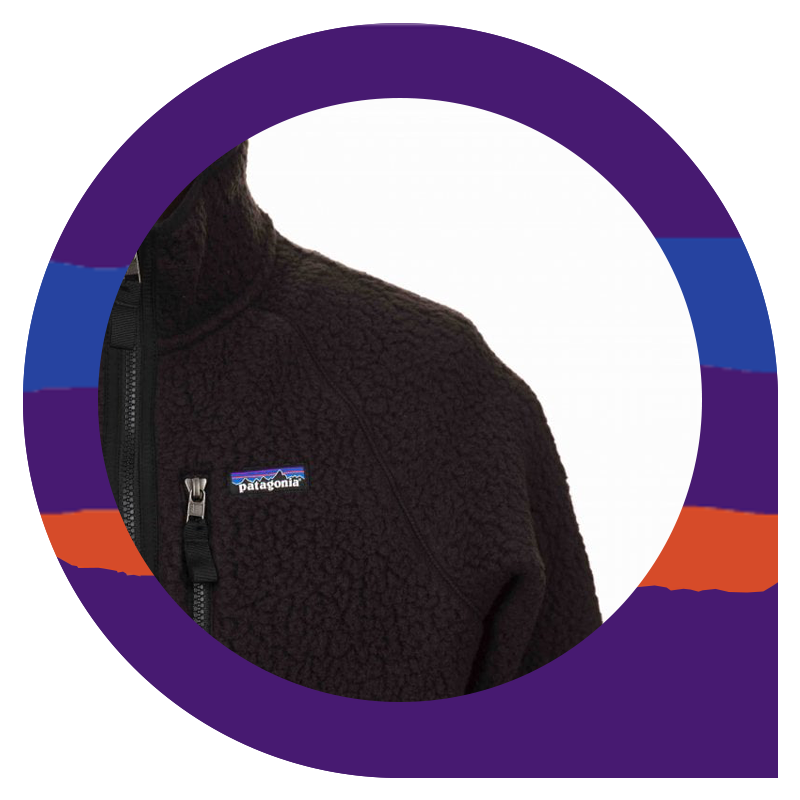
Patagonia releases the Pile Fleece Jacket, which speedily becomes a signature look for the make and inspires other staple items such as the Better Sweater jacket in the years to come. Designed for common cold weather use, the Pile Fleece jacket is made from thick insulating fleece fabric and features a high neckline inspired by the clothing used by fishermen in tough conditions.
Patagonia releases a range of insulating base of operations layers made from polypropylene which absorbs no water. After various experiments and plentiful research, the underwear makes its breakthrough and is picked up by the outdoor community as a replacement for garments made from cotton which absorbs and holds onto moisture, leading to a spooky effect in common cold conditions.
Patagonia begins to brainwash wearers on the concept of layering their clothing. Layering involves using breathable base layers to move sweat and moisture that has the potential to freeze away from the trunk, middle layers designed for warmth and insulation and outer shells to provide protection from air current and rain.

1981
Chouinard Equipment and Patagonia are incorporated inside Swell Pacific Atomic number 26 Works, named after the make's first store of the same name. The Patagonia brand also pioneers the utilise of colourful garment designs in the outdoor manufacture, bringing a jiff of fresh air customers previously only able to select from traditional greens, greys and browns.
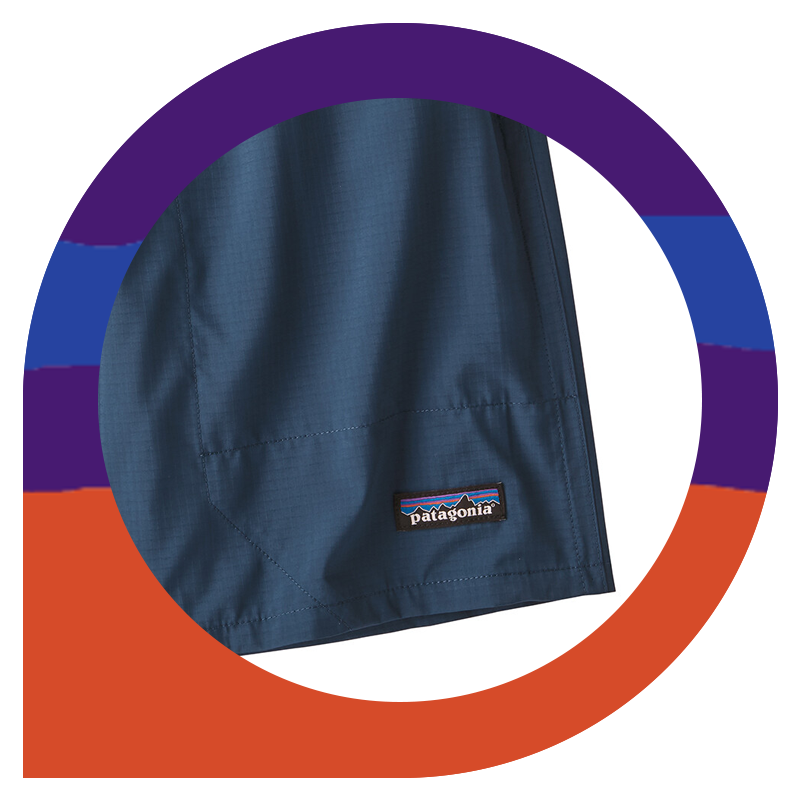
Patagonia releases its iconic 'Baggies' shorts. Designed by Yvon Chouinard, the shorts are made from water repellent nylon fabric. Intended to be suitable for a wide range of outdoor activities, Baggies are quick drying, lightweight yet tough. The shorts prove to be popular with a wide range of customers and become a staple of the Patagonia drove. As firm favourites since their introduction, Baggies remain relatively unchanged in terms of design over the coming decades, but move to recycled nylon in 2018.
1983
Abroad from developing new products, Patagonia becomes one of the first companies in the US to provide on-site childcare for employees, helping new parents return to work and improving staff retention. Childcare is part of Patagonia'due south lifelong delivery to treating staff fairly, which also includes paid fourth dimension off and ill days, which at the fourth dimension is unusual for U.s. businesses.
Patagonia opens an on-site cafeteria for employees serving healthy organic food throughout the day, equally role of the company's ethos of taking care of employees as well as customers and the planet. The company besides eliminates private offices, a move that volition see open plan working helping to create a culture of communication and collaboration amongst employees.
In the same year, while sales of polypropylene base layer range are strong, Patagonia looks to accost issues with the products that include difficulty in removing stains, aroma retention and a reduction in wet wicking ability after beingness washed.
At the Sporting Goods show in Chicago, Yvon Chouinard experiences a demonstration of polyester sports jerseys being cleaned of grass stains. The visitor that fabricated these jerseys, Milliken, had as well created a manufacturing procedure to give the fabric permanent moisture wicking properties. Chouinard realises this type of polyester would exist a perfect textile for Patagonia's base layer products.
1985
Making the spring to polyester, the whole underwear range is put at risk, and while initial sales figures favour the quondam polypropylene, core customers gradually make the switch to better performing material called Capilene. The hazard pays off and sales boom.
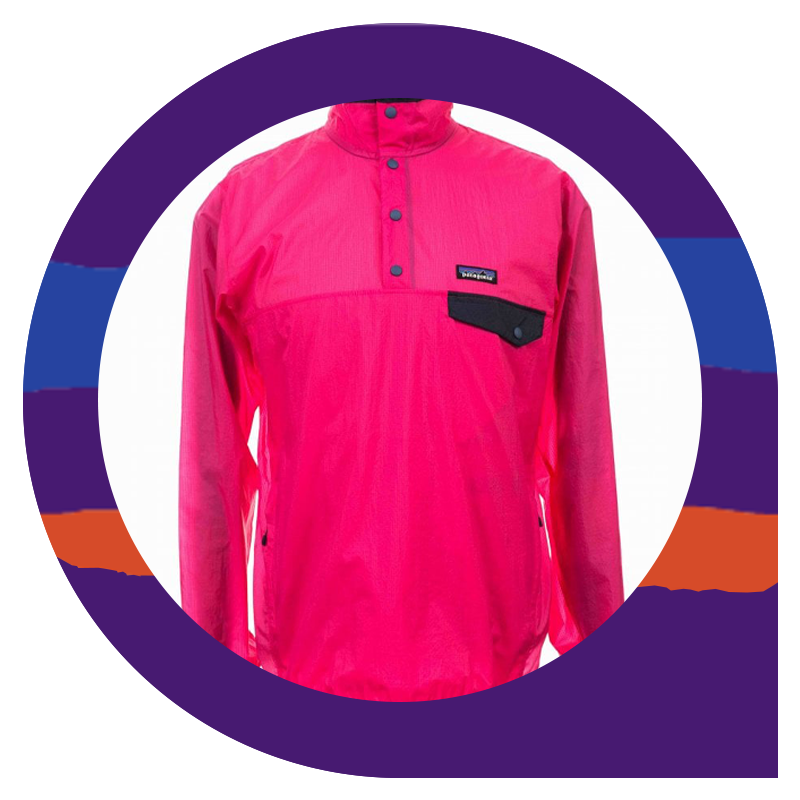
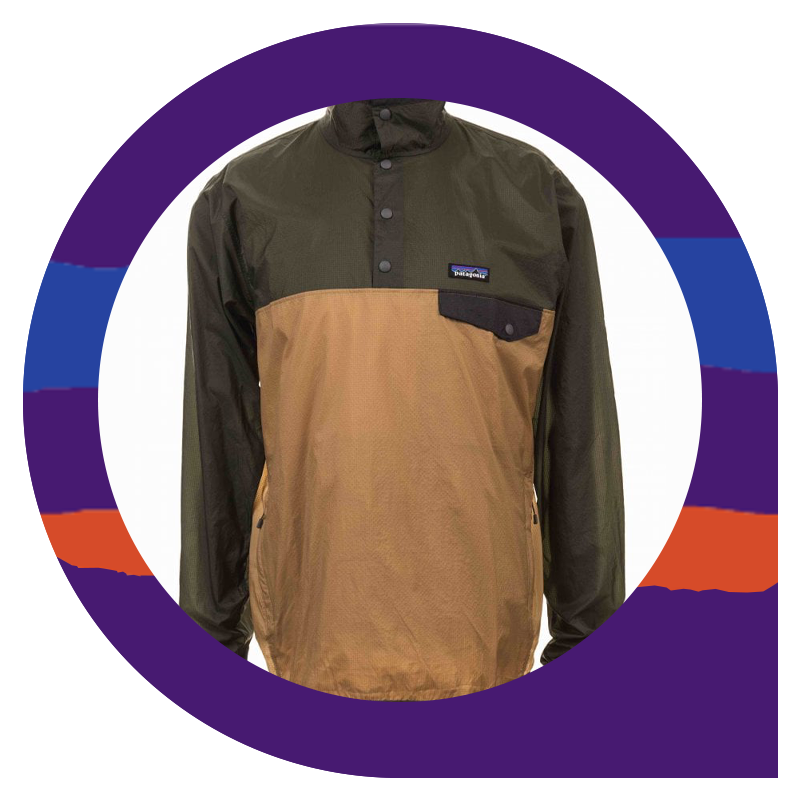
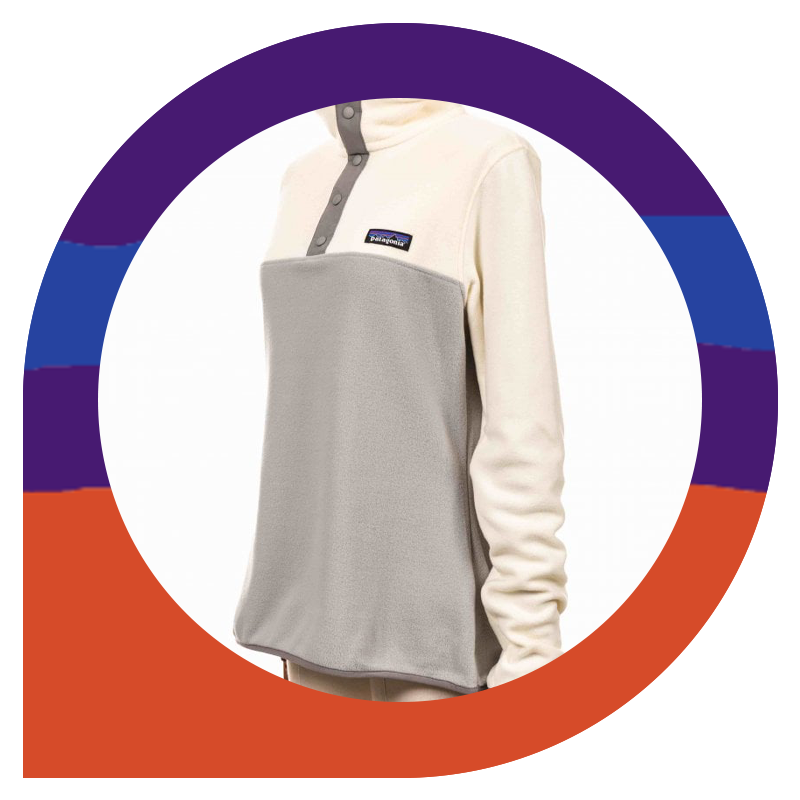
The legendary not-pilling Synchilla Fleece is also introduced to the market and used initially in Patagonia's Snap-T pullover. Taking its proper noun from its soft handle and high warmth, making information technology a 'synthetic chinchilla', Synchilla has since become a mainstay of Patagonia's range.
It's decided that 10% of company profits will exist donated to ecology groups. The stance evolves as Patagonia decides to commit either one% of total sales or 10% of profit, whichever is college. This delivery has been stuck to ever since.
1987
Patagonia launches its outset Pataloha climbing shirt. A combination of Hawaiian inspired designs interworked with depictions of climbing gear, the Pataloha shirt range has continued ever since, with special editions released through the years such as the render of the Polynesian voyaging canoe Hokule'a to Hawaii in 2017 afterwards a 3 year voyage, and the 30-year ceremony edition also released in 2017.

Patagonia'south first national environmental campaign is initiated and focuses on plans to deurbanize the Yosemite Valley. Every year since, Patagonia has campaigned and raised awareness about a different environmental issue.
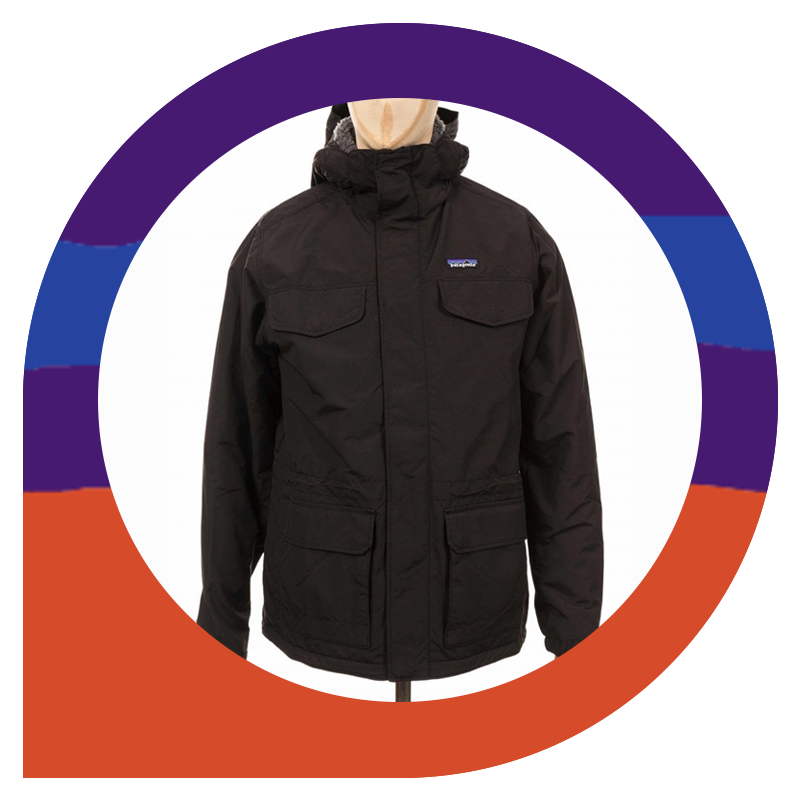
The brand too debuts its H2NO waterproof fabric with the Storm jacket. The engineering has since been continuously improved to reduce environmental impact and meliorate performance, and is used on most of Patagonia's waterproof jackets to this twenty-four hour period.
1989
Chouinard Equipment is forced to file for bankruptcy subsequently losing a series of lawsuits relating to safety issues. Meanwhile, Patagonia is a founding member of The Conservation Alliance, an system that strives to protect outdoor spaces by bringing together the power of brands and communities.
A group of former employees buy the Chouinard Equipment Company and continue to manufacture the innovative climbing products under the proper noun Blackness Diamond Equipment.

Patagonia's quality team starts to review potential manufacturing partners in terms of both the quality of the products produced and the weather for factory employees. Patagonia introduces a policy to not work with any factory that they are not able to visit in person to check on working weather condition.
1991
Sales growth comes to a halt due to a recession. In order to pay off debt, costs are cut and inventory is dumped while 20% of the work face is laid off. The company is in serious problem and is close to losing independence; all borrowing and growth is kept to a modest calibration.
Although economic issues are affecting sales, Patagonia sticks to its core principles of responsibility and implements a contractor relationship cess strategy to ensure all manufacturing partners encounter performance criteria for quality, ecology impact and the off-white treatment of employees.
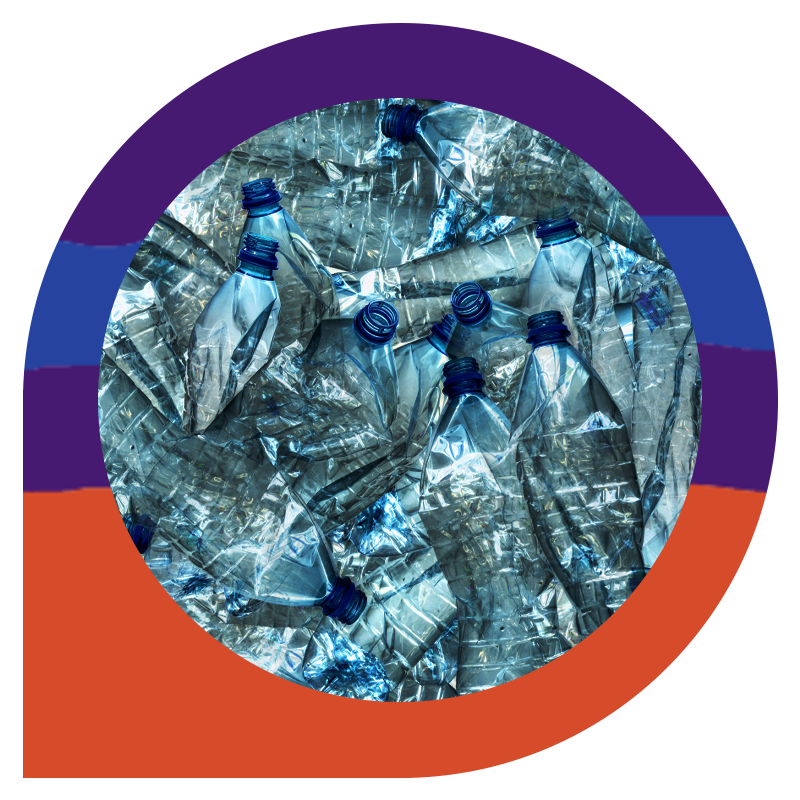
Patagonia looks to reduce the environmental impact of its products and creates the outdoor clothing world'south first fleece fabric fabricated from recycled bottles. The fabric is used to create a new version of the company'south Synchilla fleece to produce garments such as the iconic Snap-T pullover.
1994
The conclusion is made to move to 100% organic cotton wool by 1996 later Patagonia examines its supply chain and identifies pesticides used in cotton product as a major source of pollution.
A new distribution eye in Reno opens, helping to attain a 60% reduction in energy use by using solar-tracking skylights and radiant heating. Every piece of Patagonia cotton clothing from this point onwards is fabricated from organic cotton.
Afterward participating in President Nib Clinton's No Sweat Initiative which aims to innovate minimum standards for working weather condition in the supply chain, Patagonia also becomes a founding fellow member of the Off-white Labor Association (FLA) which audits factories, provides training and aims to meliorate the lives of workers around the globe.

2002
Patagonia brings on lath a Social Responsibleness Manager to focus on potential social compliance issues within its supply chain. Information technology also introduces training policies for all employees to ensure their actions and decisions don't impact workers negatively in terms of working hours and pressure level to meet deadlines.
Yvon Chouinard and partner Craig Matthews ready up 1% for the Planet, a business organization alliance which encourages members to give 1% of gross sales to support environmental awareness and piece of work.

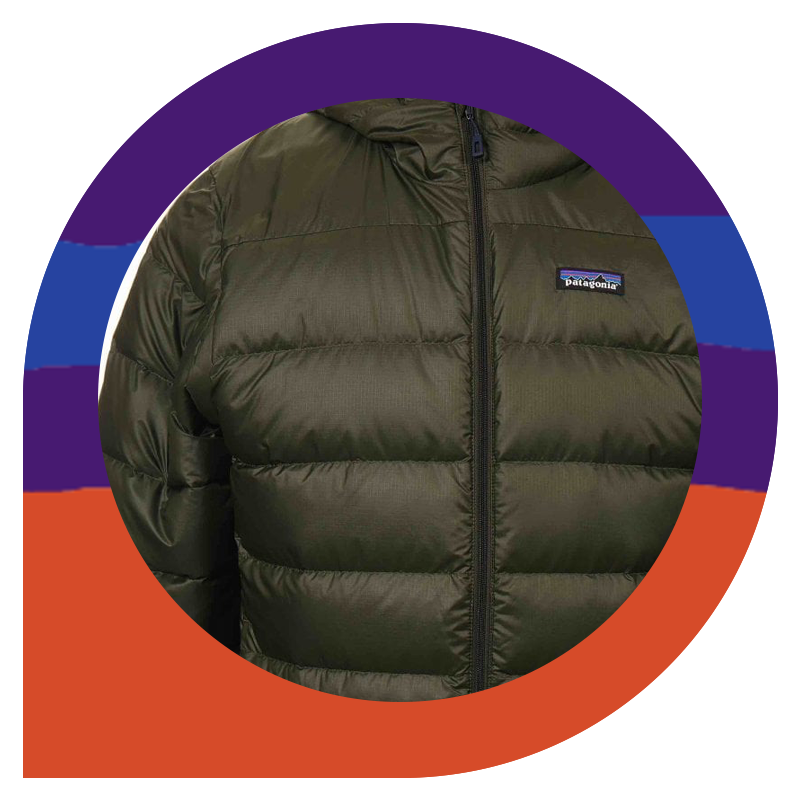
New seaming methods are introduced for both soft and difficult vanquish jackets. These improvements are beneficial for all with less bulk, an comeback in drape and improved performance in wet weather. Chouinard besides writes a book chosen Let My People Go Surfing: The Education of a Reluctant Man of affairs. The book focuses on the working culture of the Patagonia brand and explains the business benefits of providing a corking work-life residue to staff. Its popularity leads to the formation of Patagonia Books, a new publishing arm of the make.
2006
Patagonia reduces the number of factories that it uses to produce its products by 50% in club to achieve increased transparency and ensure its partners maintain high standards when it comes to treatment of workers.
Patagonia launches The Footprint Chronicles, which allows customers to trace the journey of items from design and production of raw materials through to manufacturing and retail.
2010
Patagonia initiates a meeting of wear industry leaders, NGOs and the Ecology Protection Agency in the US to initiate the Sustainable Wearing apparel Coalition, which aims to develop "an apparel manufacture that produces no unnecessary environmental harm and has a positive impact on the people and communities associated with its activities".
The make also creates a new Manager of Social and Environmental Responsibility role at its HQ to further integrate responsible practices with the operations of the business organisation, and achieves near 100% auditing of all manufacturing partners, including subcontractors.
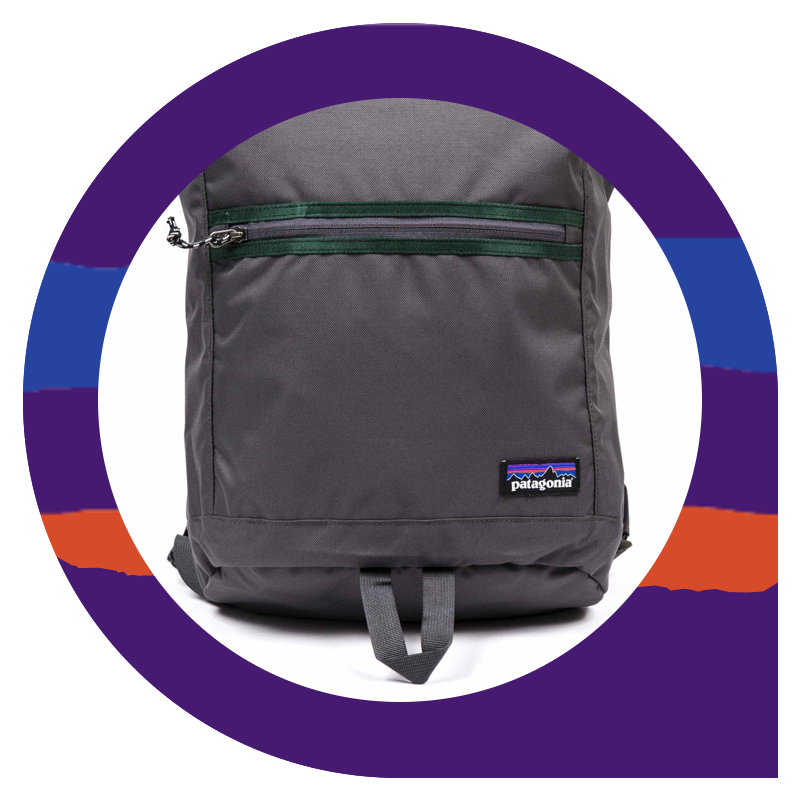
Patagonia runs its famous "Don't Purchase This Jacket" advertizing in the New York Times on Black Friday, in an try to encourage customers to suspension away from disposable fashion, consider their buying habits and buy only what they demand. The ad features Patagonia's popular R2 Jacket, explaining the resources required for its manufacture and encouraging customers to repair and recycle via the Patagonia Common Threads Initiative which enables customers to send worn items back to Patagonia for refurbishment and resale.
The brand also rolls out a new state-of-the-art system to detect instances of homo trafficking in the supply concatenation, likewise as commencing full auditing of suppliers of raw materials used to manufacture Patagonia products.
2012
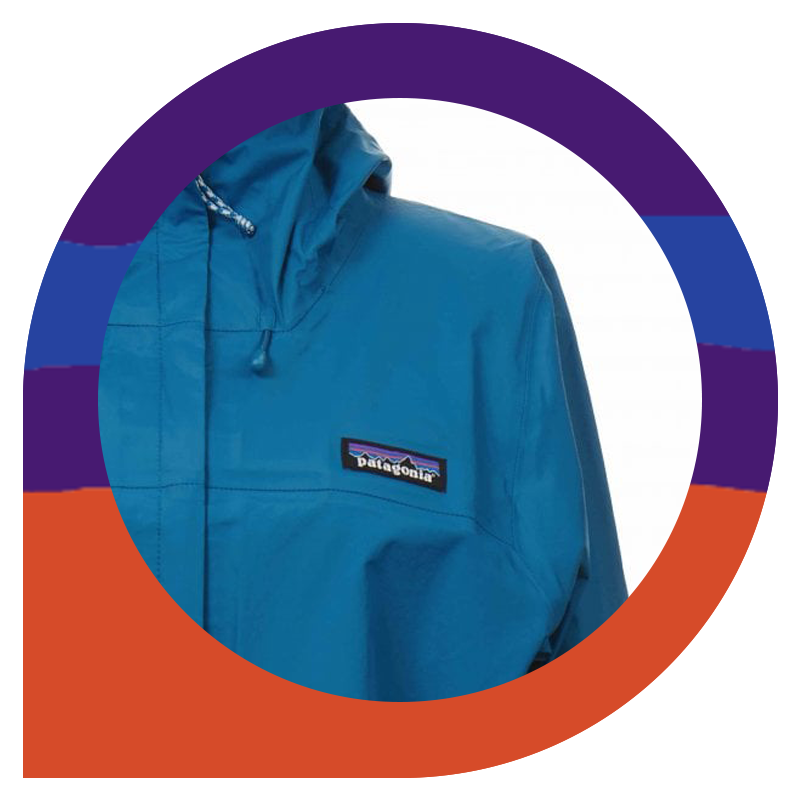
Inspired by popular products from its archive, Patagonia resurrects the Synchilla Snap-T Pullover, fabricated from lightweight yet durable recycled polyester fleece and featuring a stand up up collar and elasticated cuffs, the top is equally at abode in the city as it is in the great outdoors.
Patagonia becomes the showtime company in California to acquire benefit corporation status, enabling it to legally stay mission driven equally it expands. The company also identifies and sets nigh eliminating debt bondage practices affecting workers at raw materials suppliers in Taiwan, putting in place a strategy to eliminate all workers paying for their jobs by 2020.
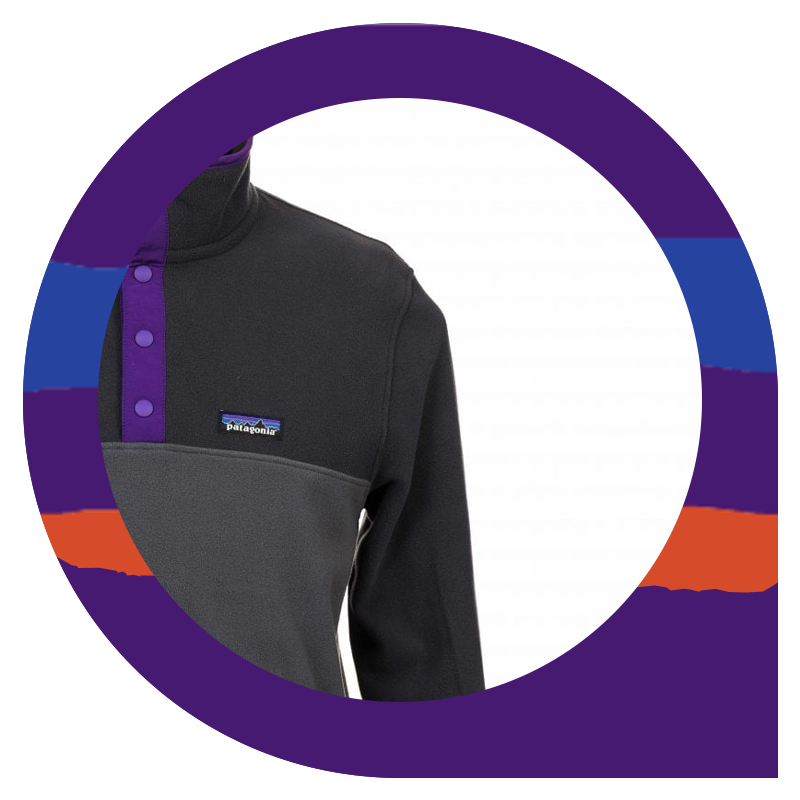
Patagonia goes back to its roots with the 'Legacy Collection' which features similar pieces to the very first products created 40 years ago. From pullovers and rain coats to a haversack, pants and fifty-fifty down-filled pieces, the collection draws inspiration from the originals and combines with mod eco-conscious manufacturing.
Patagonia also sets up Tin Shed Ventures to help fund startups with an environmental focus. In the same yearPatagonia partners with Fair Trade USA to supplement the wages of workers involved in the manufacture of the brand'southward Fair Trade Certified products.
2014
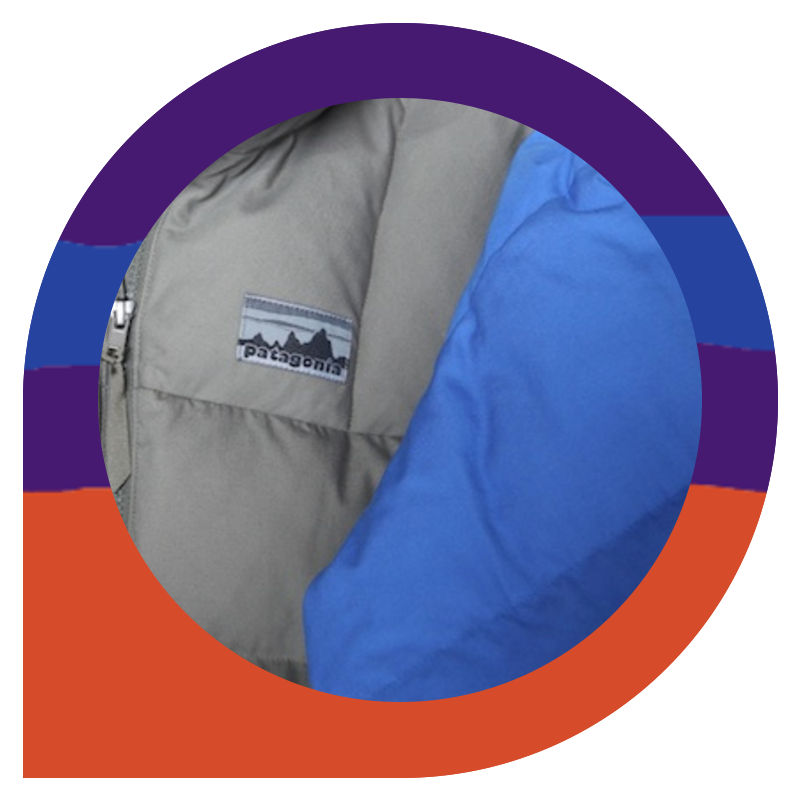
Patagonia commits to 100% traceable down from ethical sources for its entire range, while the release of the Nano-Air jacket proves the make'southward commitment to functional and refined designs. The jacket is made from FullRange insulation and nylon textile, bringing with it the highly breathable characteristics it's well known for.
Chouinard releases a volume 'Simple Wing Fishing' as part of a limited edition kit which also includes a Tenkara-manner fly line-fishing rod, line and leader, box of flies and a set upwardly booklet, while Patagonia launches its Patagonia Provisions line to sell responsibly sourced and ethically produced food.
Patagonia too releases its get-go Fair Trade Certified products. Initially a capsule collection from the women's range made at a single manufactory, over the side by side v years Patagonia's Off-white Trade program expands to ten countries and reaches 66,000 workers, providing funding for increased pay and benefits such equally kid care centres.
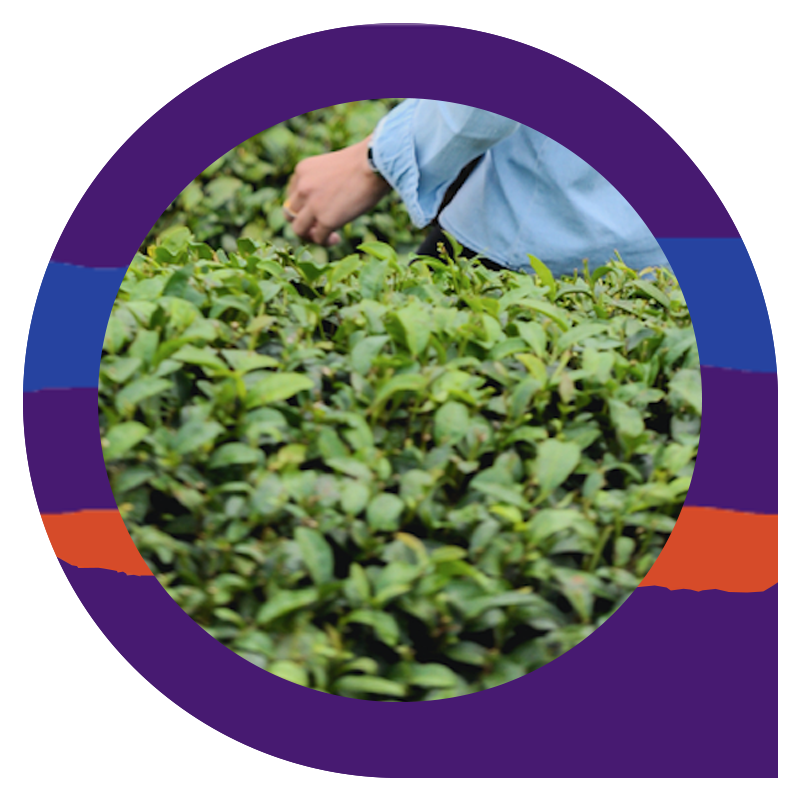
A video releases detailing the life of Yvon Chouinard and how he, to this day, is still committed to ecology conservation. Patagonia drops its wool supplier subsequently discovering evidence of inhumane treatment of animals.
Patagonia commits to the FLA's Fair Compensation Workplan to provide a living wage to all workers in its supply chains, and is named as a leading company in rolling out the program thanks to the in-house Off-white Wage Taskforce at Patagonia.
Patagonia also starts to work towards adopting the principles of regenerative agriculture with its raw material producers as a way to help tackle climatic change, and in the same year is recognised by Barack Obama for its commitment to assisting working families through its staff benefits such as childcare, paid time off and flexible hours.
2016
100% for the planet sees all of the Blackness Friday sales go towards "grassroots organisations working in local communities to protect our air, water and soil for future generations", which totals $10 meg.
Patagonia also launches a contest in collaboration with UC Berkeley to identify scalable regenerative agriculture solutions to help fight climate change.
Patagonia introduces their "Worn Article of clothing" website, allowing items in skillful condition to be returned for new merchandise credits and encouraging customers to repair rather than replace their used items. All returned garments are cleaned and repaired earlier sale and the initiative is part of the make's delivery to sustainability.
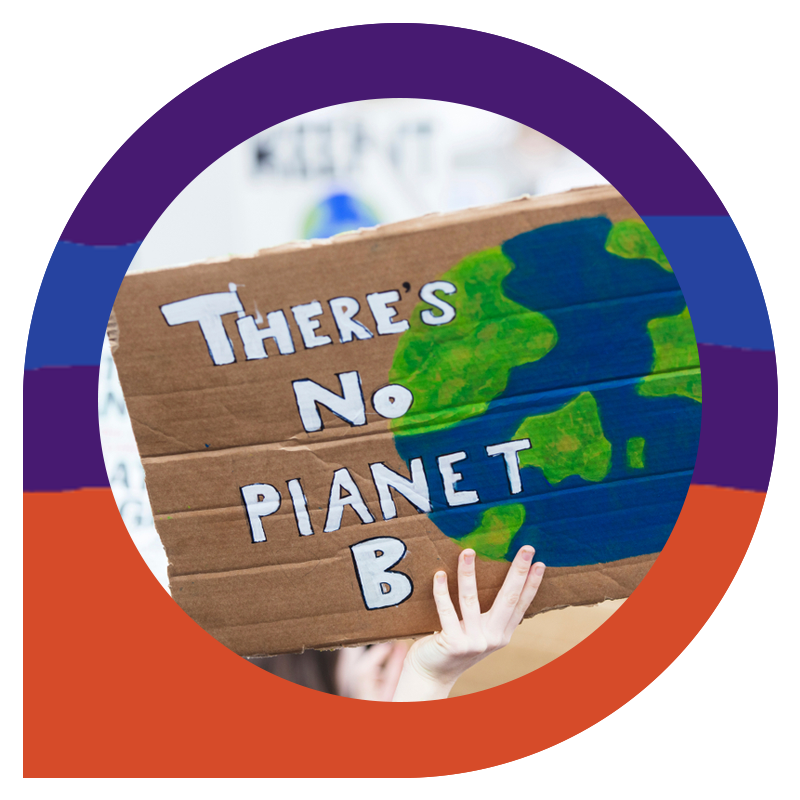
Patagonia decides to sue the Trump administration in response to the decision to reduce protection of national monuments. They receive significant plaudits as well every bit a huge increase in sales during the post-obit days.
The brand releases its first ever TV commercial to highlight the cause. Featuring about none of the visitor's products, the commercial is a infinitesimal long film in which Yvon Chouinard talks about the need to protect public lands in America.
In another outset for the brand, Patagonia launch their first ever sleeping bag. The 850 Downwardly Handbag is inspired past a sleeping bag Chouinard made for himself 45 years previous, and uses Patagonia's ethically sourced downward for warmth.
2018
Patagonia announces Patagonia Action Works, a digital platform intended to connect people with nonprofit environmental organisations and enabling them to get involved with local activism. The visitor also changes its mission statement to "We're in business organisation to salve our dwelling planet" and donates $10 million it receives in taxation breaks to environmental causes.
After 10 years of development, Patagonia launches the Micro Puff jacket which offers the highest warmth to weight ratio in the make'south history. Made with PlumaFill synthetic insulation, equally a lightweight and water resistant downward culling, the jacked is Off-white Trade Certified and marks a new era in Patagonia's insulated range.

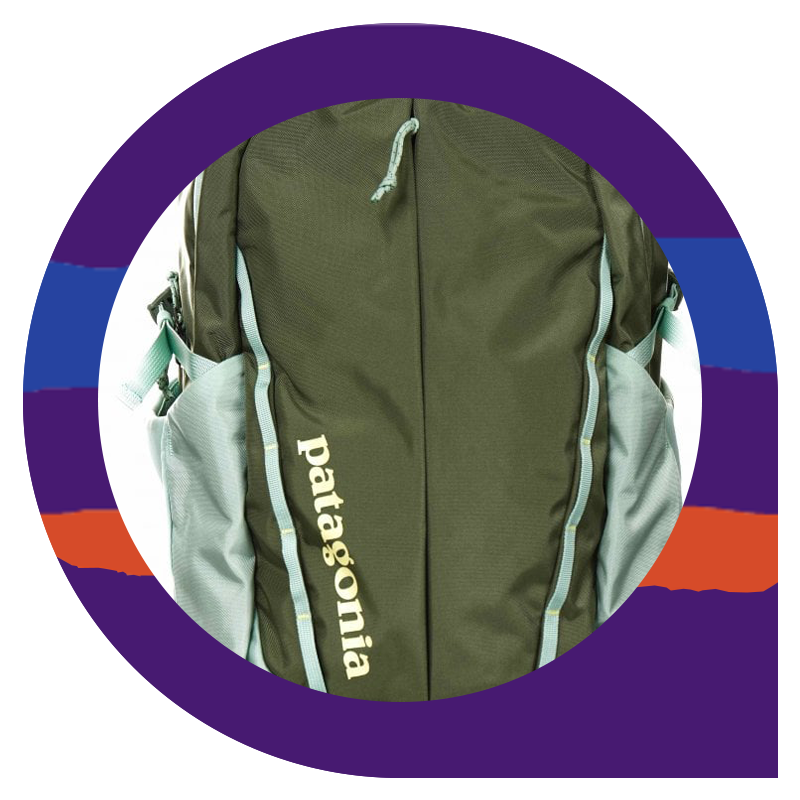
Patagonia recycles 10 million plastic bottles to create it'southward Black Hole pocketbook range, of which 100% of the body and webbing are recycled.
The brand declines echo orders for co-branded work garments from certain Wall Street companies, as it no longer wishes to back up ecologically dissentious organisations, instead choosing just to work with mission driven companies that prioritise the environment. This yr Patagonia also works closely with Taiwanese suppliers to eliminate recruitment practices that see migrant workers having to pay for their jobs. It's also named as one of the world'southward most transparent fashion brands and since beginning its Fair Trade programme in 2014, reaches 70% of its products being fabricated at Off-white Trade certified factories.
Patagonia releases its offset ever collaboration, teaming up with legendary footwear make Danner to create the Pes Tractor wading boot that is designed for fly-fishing.
2020
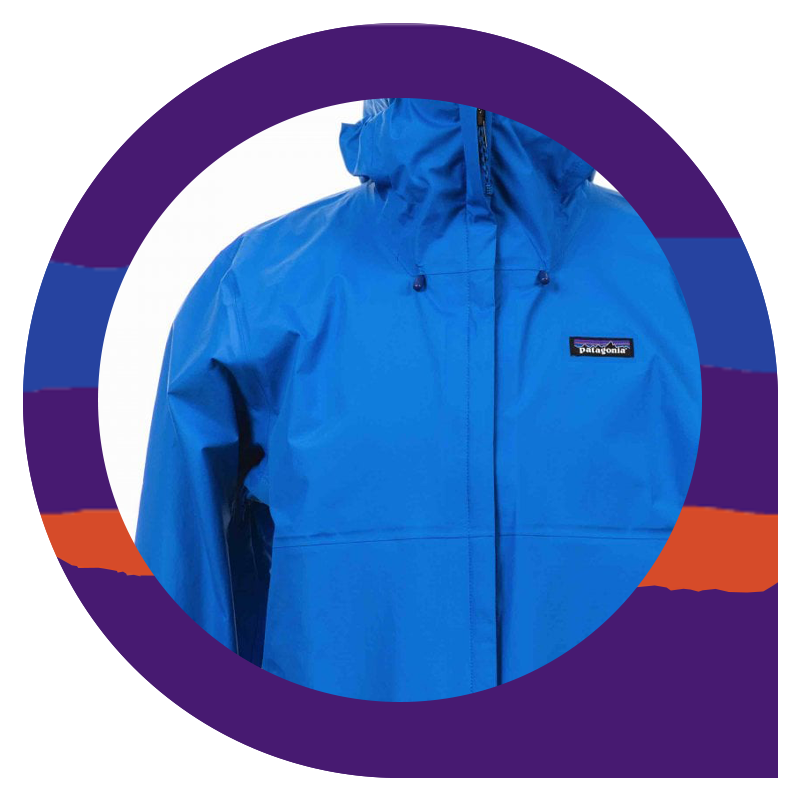
Patagonia releases an updated version of its iconic Torrentshell Jacket, using three layer construction and 100% recycled fabrics for the garment face.
Patagonia backs hundreds of groups candidature to highlight a range of ecology issues via its Grantees programme. In protest of politicians who disregard climate problems, ahead of US elections Patagonia sews labels inside its Road to Regenerative Organic Stand Upwards Shorts range proverb "Vote the A**holes Out".
The company joins the "End Hate For Profit" campaign and stops all advertising on Facebook in protest of disinformation present on the platform. It besides temporarily closes all its stores and stops taking online orders in an endeavor to proceed staff safe during the Covid-19 pandemic.
Source: https://www.fatbuddhastore.com/patagonia-timeline-i278

Enregistrer un commentaire for "How to Get a Patagonia Collar to Stand Up Again"